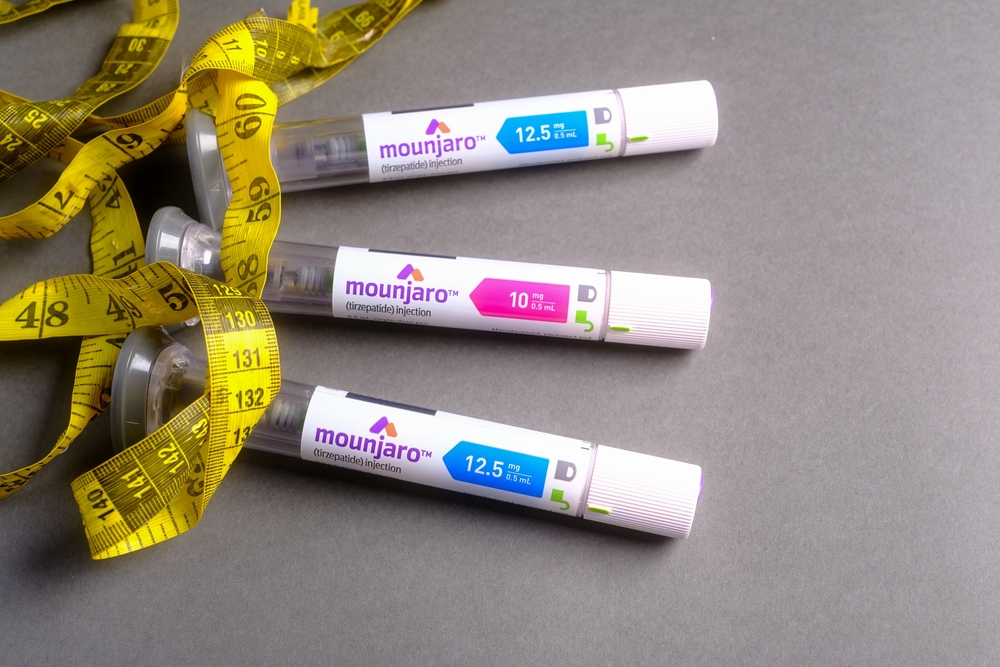
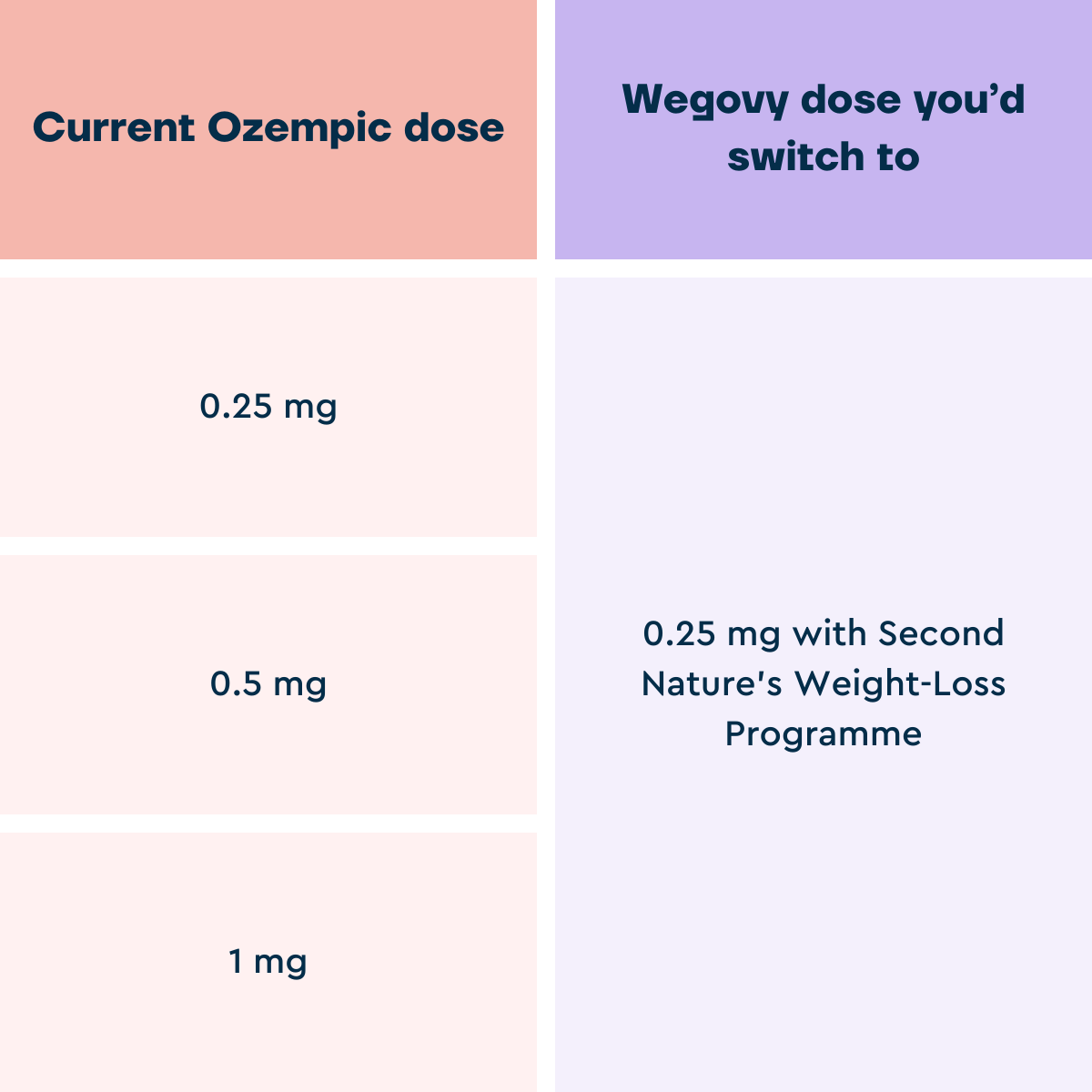
However, it must be stressed that, despite the lack of reproductive improvement, even low doses of GLP1/E were sufficient to markedly improve the metabolic perturbations in PWA mice, thus defining an optimal scenario for occasions in which the main therapeutic objective would be metabolic normalization rather than reproductive rescue, as is actually the case for most women with PCOS, without pregnancy desire, which are submitted to continued hormonal contraception plus metformin treatment
As a peptide, BPC 157 interacts with the bodys natural healing processes

(SEE BELOW FOR UPDATE) Results from the second round are even more compelling Round 2 (2024) Duration: 12 weeks Participants: eleven firefighters (a mix of full-time and volunteers) from two local agencies Testing: Same as Round 1 Key takeaways The total number of high-range (95th percentile) toxins across all participants decreased 81.4% The total number of high-range mycotoxins (molds) decreased 86.7% The total number of high-range environmental toxins decreased 85.1% The total number of high-range environmental toxins decreased 85.1% According to preliminary data, the total number of high-range PFAS chemicals across all Round 2 participants decreased by 80% (A 2023 article from the Harvard Public School of Health explains that PFAS are known as forever chemicals because they dont break down in the environment or in our bodies . A report from the United States Navy states that there is no recommended medical treatment to reduce PFAS in the body. We hope to shift this narrative.) Case studies from Round 2 Case study #1 Participant started with 16 toxins in the 95th percentile and 17 toxins in the 75th

(Growth Hormone and IGF Research, 2003) documented that peptide therapy targeting the somatotropic axis in subjects with growth hormone deficiency produced measurable fat reduction, lean muscle preservation, and improvements in bone mineral parameters






00656-2/asset/35b48abc-e313-46be-9a87-b6727032b3d4/main.assets/gr1_lrg.jpg)